
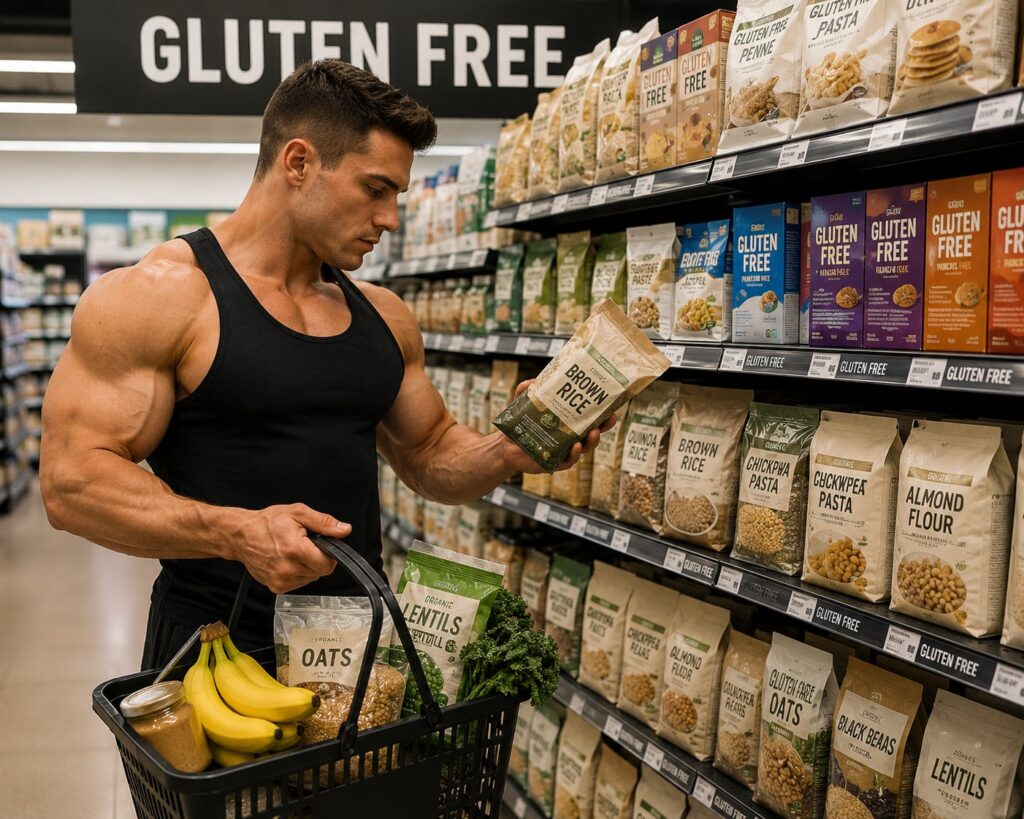
Building muscle with Celiac Disease can feel challenging at first. Many traditional “bulking foods” contain gluten, while gluten-free specialty products are often expensive. The good news is that you can still gain muscle, improve strength, and eat affordably by focusing on naturally gluten-free whole foods — especially plant-based staples.
You do not need expensive protein powders, fancy gluten-free snacks, or complicated meal plans. With the right strategy, a mostly plant-based diet can provide enough protein, calories, and nutrients to support muscle growth while keeping costs low.
Why Muscle Building Can Be Harder With Celiac Disease
Celiac disease damages the small intestine when gluten is consumed. This can reduce nutrient absorption and make it harder to recover from workouts or build muscle efficiently. Many people with celiac disease also struggle with deficiencies in iron, vitamin D, magnesium, zinc, and B vitamins.
That is why the first step is always strict gluten avoidance. Even small amounts of gluten can interfere with digestion and recovery. Instead of relying on processed gluten-free products, it is often cheaper and healthier to build your diet around naturally gluten-free foods such as rice, potatoes, beans, lentils, vegetables, fruit, nuts, and seeds.
Focus on Affordable Plant Proteins
One of the biggest myths about muscle building is that you need large amounts of meat or expensive supplements. In reality, many affordable plant foods contain plenty of protein.
Lentils are one of the best examples. They are cheap, filling, naturally gluten-free, and packed with both protein and carbohydrates. Chickpeas and beans are also excellent choices because they provide calories, fiber, and important minerals for recovery.
To maximize muscle growth, try combining legumes with grains such as rice or corn. Together, they create a more complete amino acid profile that supports muscle repair and growth.
Some of the best budget-friendly plant proteins include:
Lentils
Black beans
Kidney beans
Split peas
Nuts and seeds
Soy products like tofu
These foods are usually much cheaper than packaged gluten-free products and can form the foundation of a muscle-building diet.
Eat Enough Calories
Many people with celiac disease accidentally undereat because they remove gluten-containing foods without replacing the lost calories. Muscle growth requires energy, so eating enough food, especially carb-rich foods like rice, potatoes, and fruits, is essential.
You do not need a massive calorie surplus, but you should eat slightly more calories than you burn each day. Focus on calorie-dense whole foods that are still affordable.
Good options include:
Rice
Potatoes
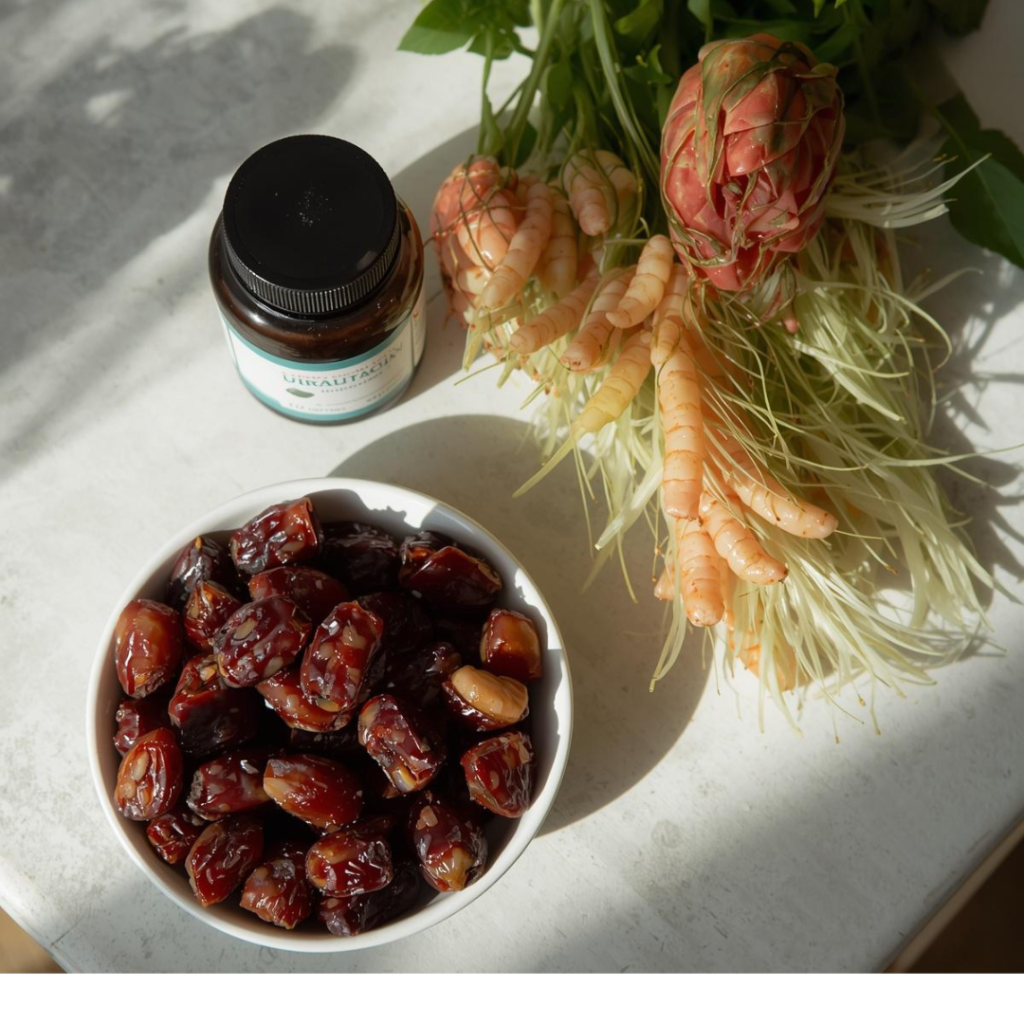
Dates
Adding healthy fats is one of the easiest ways to increase calories on a budget. A spoonful of peanut butter or olive oil can significantly increase your calorie intake without making meals complicated.
Prioritize Protein Throughout the Day
To build muscle effectively, aim to include protein in every meal. Consistency matters more than perfection.
A simple target for muscle growth is:
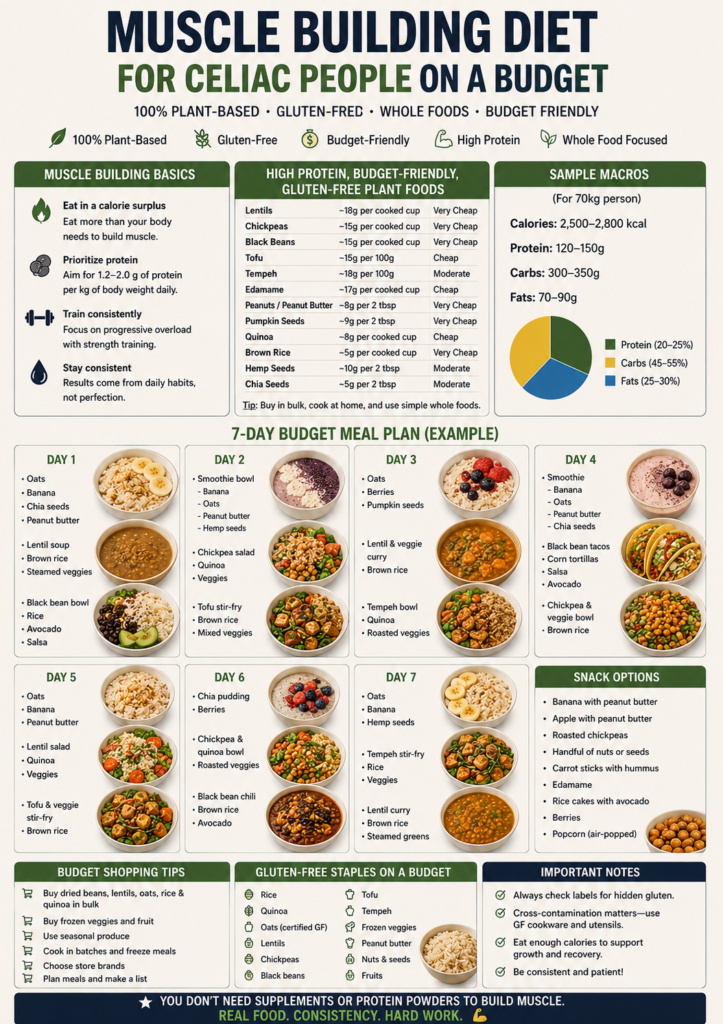
1.6 to 2.2g/kg bodyweight per day
If you weigh 70 kilograms, that means roughly 110–150 grams of protein daily.
This may sound difficult at first, but it becomes manageable when you spread protein across multiple meals.
For example:
Breakfast: sweet potatoes with peanut butter and soy milk
Lunch: rice and lentils
Snack: roasted chickpeas or nuts
Dinner: potatoes with beans or tofu
Even without supplements, these meals can provide substantial protein over the course of a day. But if you eliminate animal foods, you should consider supplementing with B12 and zink.
Build Simple Budget Meals
Muscle-building diets do not need to be complicated. In fact, repeating simple meals is often the most affordable approach.
Here is an example of a low-cost mostly plant-based gluten-free day of eating:
Breakfast
Gluten-free oats cooked with soy milk, peanut butter, banana, and cinnamon.
Lunch
Rice with lentils, olive oil, and mixed vegetables.
Snack
Roasted chickpeas and fruit.
Dinner
Potatoes with black beans, tomato sauce, and vegetables.
Evening Snack
Soy yogurt or a peanut butter sandwich on gluten-free bread.
These meals provide carbohydrates for energy, protein for muscle recovery, and healthy fats for extra calories.
Strength Training Still Matters Most
Nutrition is important, but muscle growth ultimately depends on progressive resistance training. You must challenge your muscles consistently over time.
Focus on exercises such as:
Squats
Push-ups
Pull-ups
Rows
Deadlifts
Overhead presses
You can train at a gym or even at home using bodyweight exercises and resistance bands. The key is gradually increasing reps, weight, or difficulty over time.
Aim to train at least three times per week while getting enough sleep and recovery.
Avoid Expensive Gluten-Free “Fitness Foods”
Many companies market expensive gluten-free protein bars, cookies, and powders. While these products can be convenient, they are not necessary for muscle growth.
Whole foods are usually:
Cheaper
More filling
Less processed
More nutritious
Rice, beans, oats, potatoes, and lentils are still some of the best muscle-building foods in the world — and they cost far less than specialty products.
Final Thoughts
Building muscle with Celiac Disease on a budget is absolutely possible, even with a mostly plant-based diet. By focusing on naturally gluten-free staples like rice, lentils, beans, potatoes, oats, nuts, and seeds, you can gain strength and muscle without spending a fortune.
The most important things are consistency, enough calories, sufficient protein, and proper training. You do not need supplements or expensive gluten-free products to see results. Simple whole foods, smart meal planning, and regular workouts are more than enough to build muscle while staying healthy and gluten-free.
This a very detailed approach for someone with celiac like me, it is very informative, i will try to implement this dietary approach and see how it goes.
I’m looking forward for your training plan if you wish to share.
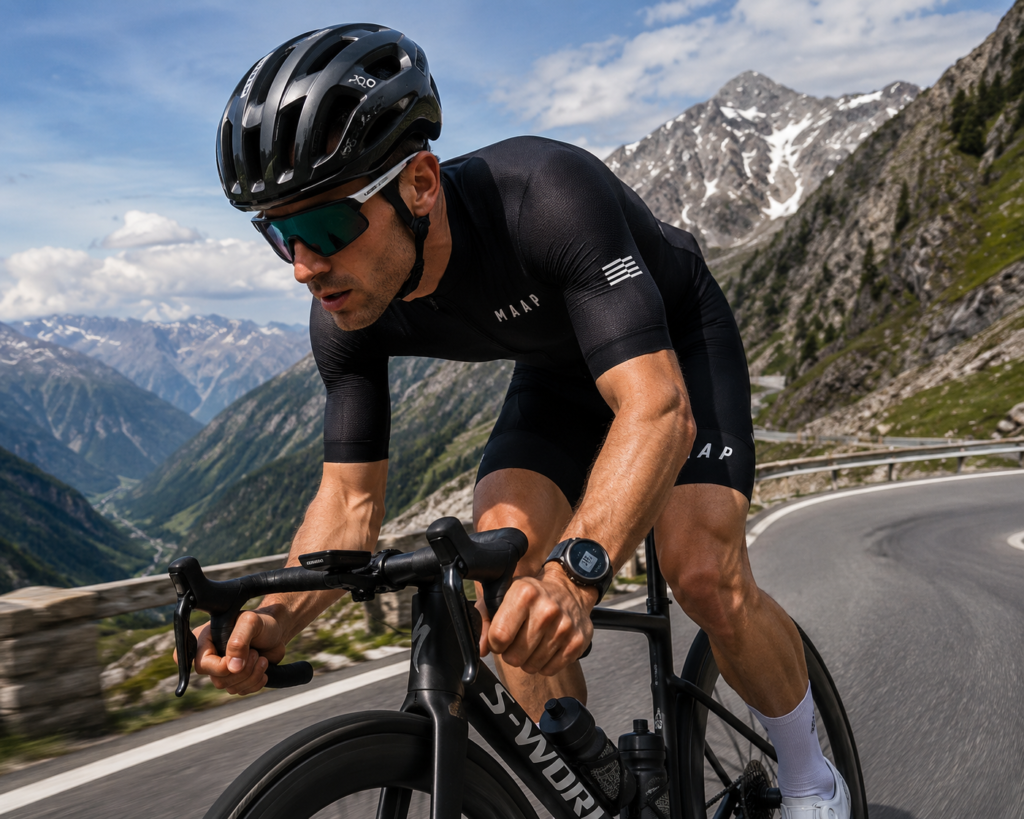
I’m very grateful that i helped you, i will share future posts about training programs for strengh, muscle mass and endurance.