
Leaky gut syndrome, characterized by increased intestinal permeability, can trigger inflammation, digestive discomfort, and nutrient malabsorption. Addressing this condition requires a thoughtful approach that supports gut lining repair, reduces inflammation, and promotes overall digestive health. A healing protocol combining vegan high-carbohydrate foods was a game-changer for me since I was consuming a lot of eggs and chicken. And research proves that they cause colon polyps and even cancer, so I switched to plant-based after I quit working in construction, which left me drained.
The Role of Vegan High-Carb Foods in Gut Healing: High-carbohydrate vegan foods, including fruits, vegetables, legumes, whole grains, and tubers, provide essential nutrients and fiber that nourish the gut microbiome and support mucosal repair. The carbs are the main composition of the mucosal layer, which means you can’t heal leaky gut on a low-carb diet; you will make it worse, especially if you have daily hard, energy-consuming work and activities. Dietary fiber acts as a prebiotic, feeding beneficial gut bacteria that produce short-chain fatty acids like butyrate, which is vital for maintaining the intestinal barrier. I found that beans ( copeas/canneli and pinto) cooked and then mixed to a soup, not only provide sustainable energy but also help the digestive system.
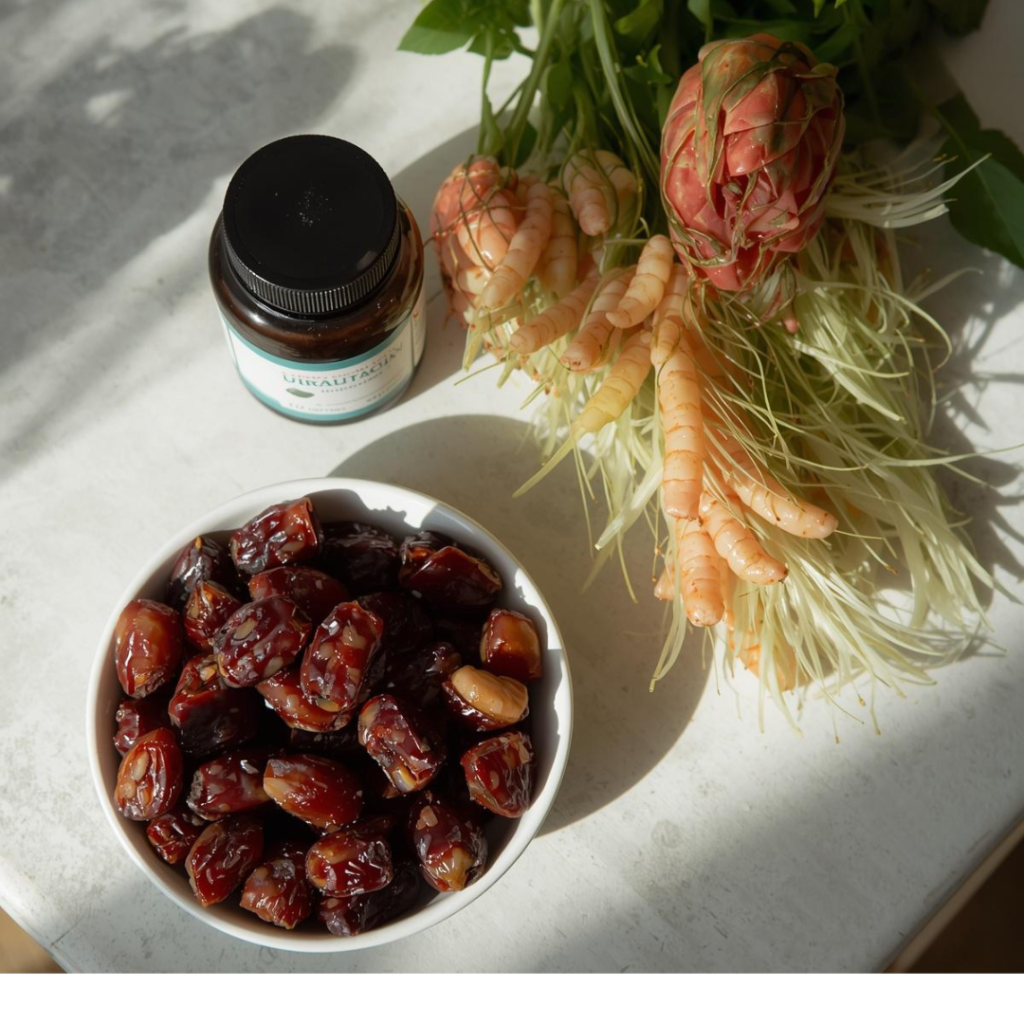
Also, I used to consume a lot of fresh dates to fuel my running sessions instead of grains in the beginning stages of healing. They have a 50/50 glucose to fructose ratio, which enhances fructose absorption, and they regulate my blood sugar quite well, which lowers cortisol spikes. Cortisol is a big contributor to leaky gut, which is why I do not recommend fasting for very severely compromised individuals.
Creatine Monohydrate: An Unexpected Ally. While creatine monohydrate is widely recognized for its benefits in muscle energy and recovery, emerging research suggests it may also play a supportive role in gut health. Creatine contributes to cellular energy metabolism, which is essential for the regeneration and maintenance of the rapidly dividing cells lining the intestines. By enhancing cellular energy, creatine may help accelerate mucosal repair and improve gut barrier function. Since I stopped taking it in 2024 when I was in construction work, I started feeling tired and losing muscle mass. It is a very productive supplement for your muscles and every tissue in your body when there are high energy demands. Supplementing with creatine monohydrate alongside a nutrient-dense vegan diet can offer a synergistic effect, supporting both gut structure and systemic energy needs, especially during the healing phase when the body requires optimal resources for restoration.
Putting It All Together: A Practical Protocol. Optimize your diet: Emphasize diverse, high-carb vegan foods rich in fiber and antioxidants to nurture the microbiome and reduce inflammation. Choose foods you enjoy and test for any food allergies before moving ahead. Introduce creatine monohydrate: Consider a moderate daily dose (typically 3–5 grams) after consulting a healthcare professional, to support intestinal cell energy and repair.
Stay hydrated and manage stress: Both hydration and stress reduction are critical for gut healing and overall digestive function. Monitor progress: Track symptoms and adjust dietary choices as needed. Feel free to reach out for a customized meal plan for your needs and energy demands. By integrating the power of plant-based, high-carb nutrition with targeted creatine supplementation, individuals facing leaky gut can foster a robust healing environment within the digestive tract. This holistic approach not only repairs the gut lining but also enhances overall well-being, paving the way for long-term digestive resilience. I also recommend some light cardio, 60% of your maximum heart rate, which helps with bowel movement, sleep quality, and nutrient uptake.
the